Best Security Apps for a New Android Phone in the Philippines (2026)
You just set up a new Android phone and a fresh email, so here are the security apps worth installing first in 2026.
You’ll stay on this site.
1. Antivirus and a Full Security Suite
A brand-new Android phone already ships with Google Play Protect, which scans apps in the background and flags ones that look unsafe. For a lot of people that baseline is fine, especially if you only install apps from the official Play Store and you never sideload random APK files that a friend sent over Messenger.
A dedicated security suite earns its place when you do more on the phone than browse and chat. If you bank through GCash or Maya, apply for jobs, or open links from people you do not know, the extra layers help. Good suites add web protection that warns you before you tap a fake login page, an app advisor that checks permissions, and Wi-Fi scanning that tells you when a network looks risky.
If you want one paid product that covers antivirus plus a few other tools at once, Norton 360 is the suite we look at in detail. It bundles malware protection, a VPN, and a password vault under a single plan, which suits people who would rather not manage several separate apps. The trade-off is that you pay for the whole bundle even if you only wanted one part of it.
2. A VPN for Public Wi-Fi and Access
Free Wi-Fi is everywhere in the Philippines, from the mall to the LRT station to your favorite milk tea spot. The problem is that open networks let other people on the same connection try to read what you send. A VPN wraps your traffic in an encrypted tunnel, so even on a sketchy hotspot your passwords and your email login stay private.
There is a second reason a VPN helps on a new phone. When you log in to a fresh email account or a banking app from an unfamiliar location, some services throw up extra verification or a temporary lock. Connecting through a stable server cuts down on those surprise checks. A VPN also lets you reach sites and services that behave differently depending on where you appear to be.
Surfshark is the VPN we review here. It allows unlimited devices on one account, which matters if you protect a phone, a laptop, and the phones of family members all together. Free VPNs exist, but most of them cap your data, slow you down, or make money by logging the very browsing you wanted to hide, so a paid option is usually the safer call.
3. A Password Manager
The single best habit for a new email account is a different password for every login you create. Nobody remembers dozens of strong passwords, so people reuse one or two, and that is exactly how a leak on one site spreads to your inbox. A password manager solves this by storing every login in an encrypted vault that only your master password opens.
On Android the real benefit is autofill. Once you set the manager as your autofill service, it offers the right username and password the moment you tap a login field in an app or in Chrome. You stop typing passwords by hand, which also blocks the fake login screens that try to trick you into entering them.
Keeper is the password manager we cover in this set. It handles the vault, autofill, and secure sharing, and it has paid tiers for people who want family plans or extra storage. There are solid free managers too, so part of the decision comes down to whether you want the extra features and support that a paid plan brings.
4. Free Versus Paid: What Actually Matters
You do not have to spend a single peso to be reasonably safe. Play Protect, a free password manager, and the built-in two-step verification on your Google account already cover most of the everyday risk. If your budget is tight, start there and add nothing else until you feel a real need.
Paying brings genuine gains in a few specific places. A paid VPN tends to be faster and keeps no logs, a paid antivirus suite adds web and Wi-Fi protection, and a paid password manager unlocks family sharing and priority support. The question is whether your situation calls for those upgrades or whether the free baseline is enough for how you use the phone.
A fair way to decide is to think about what you would lose. If the phone holds your work email, your client accounts, or money you cannot afford to lose, the cost of a paid plan is small next to the risk. If it is mostly chat and social media, the free tools will serve you well.
5. Practical Advice for PH Mobile Users
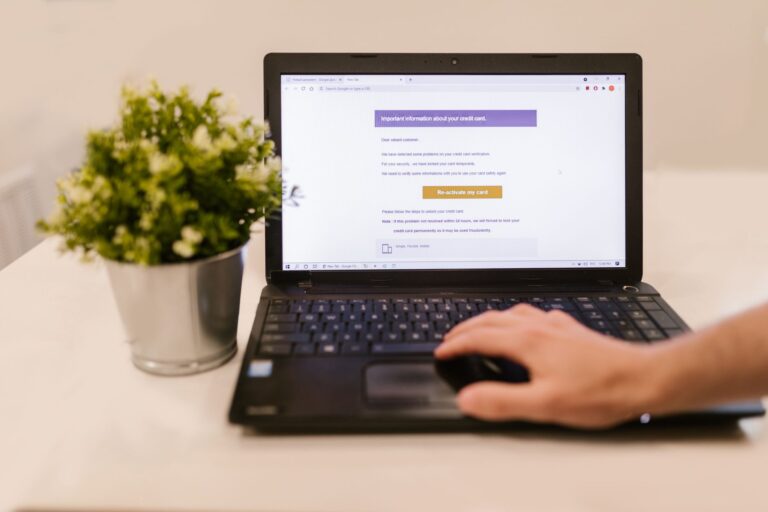
Most attacks here do not come through clever malware. They come through text and chat. You get an SMS that looks like it is from your bank, or a message saying you won a raffle, with a link that leads to a fake login page. No app stops you from tapping a bad link, so the first habit to build is pausing before you tap anything that asks for a code or a password.
Turn on two-step verification for your Google account right away, and keep the phone number on your SIM active so you can receive the verification text. Make sure your SIM card is registered and working, because a lot of recovery steps depend on that one code reaching you. Keep Android and your apps updated, since updates close the holes attackers rely on.
The three products covered on this page are available to users in the Philippines and price their plans in a way you can pay locally. Whatever you choose, install only from the official Play Store, read the permissions an app asks for, and remember that careful habits protect you more than any single subscription ever will.
The 3 Apps We Look At in Detail
If you want to go deeper on any one of these, here are the full reviews. Each page covers who the product is for, who should skip it, and what it costs:
You’ll stay on this site.
Frequently Asked Questions
Do I really need a paid antivirus on a new Android phone?
Not always. Google Play Protect already scans your apps, and if you only install from the official Play Store you are covered for a lot of everyday use. A paid suite makes sense when you bank, work, or open links from strangers on the phone, because it adds web and Wi-Fi protection that Play Protect does not.
Is a VPN worth it just for public Wi-Fi?
If you log in to email or banking apps on mall and cafe Wi-Fi, yes, a VPN keeps that traffic private from others on the same network. If you only ever use your own mobile data, the benefit is smaller, though a VPN still helps with access and avoiding surprise login checks.
Are free password managers safe enough?
For one person protecting a few accounts, a reputable free manager is genuinely safe and does the job. Paid plans add family sharing, more storage, and priority support. Pick a provider with a track record and audited encryption, and avoid no-name apps that promise to manage your passwords for free.
Will these apps slow down my phone?
A password manager and a VPN have almost no effect on a modern Android phone. A full security suite uses a bit more battery and memory because it scans in the background, but on most current handsets the difference is small. If your phone is older or low on storage, lean toward the lighter tools.
Are these products available in the Philippines?
Yes. The three products on this page work on PH devices and networks, and they price their plans so you can pay locally or in USD. Setup is the same as anywhere else, and no extra configuration is needed for them to run on Philippine carriers.
A new phone and a new email are the perfect moment to set good habits, because you have nothing to clean up yet. Turn on two-step verification, add a password manager, and decide whether a VPN or a full suite fits how you use the phone. Do that in the first week and your accounts start out far harder to break into.
Sources: official documentation from the products cited, independent evaluations from AV-Comparatives (av-comparatives.org), and Google Android security guidance (android.com/security).