How to Set Up a New Inbox and Keep It Safe from Scams
Opening a new email account takes a few minutes, but the choices you make in those minutes decide how hard it is for a scammer to take it from you.
You’ll stay on this site
Your inbox is the front door to almost everything else you do online. Bank alerts, shopping receipts, and the “reset my password” link for every other account land there. If someone gets into your email, they can often work their way into the rest of your life. That is why a little care up front pays off for years.
The good news is that you do not need to be a tech expert. Five habits cover almost everything: a strong password, two-factor authentication, sensible recovery settings, a sharp eye for phishing, and a tidy spam filter. Here is how to handle each one without getting lost.
Pick a strong password you can actually remember
Most accounts get broken into because the password was easy to guess or reused from another site that leaked. A pet’s name, a birthday, or “Password123” gives an attacker a head start. The fix is length more than complexity. A passphrase made of four random words, like “river-pencil-honest-cloud,” is long, hard to crack, and easier to recall than a jumble of symbols.
The biggest rule is to never reuse the password you use anywhere else for your main email. When one site gets hacked, criminals try those same login details on email providers automatically. A unique password for your inbox stops that cold.
If keeping track of unique passwords sounds like a headache, a password manager does the remembering for you. It generates long random passwords, fills them in when you log in, and locks everything behind one master password. You memorize one strong phrase, and the tool handles the rest.
Turn on two-factor authentication
Two-factor authentication (2FA) adds a second check after your password. Even if a thief somehow learns your password, they still cannot get in without that second step, which is usually a code from your phone or an app. It is the single biggest upgrade you can make to your account’s safety.
You will find it in your account’s security settings, often labeled “2-step verification” or “two-factor authentication.” When you switch it on, the provider walks you through linking an authenticator app or your phone number. Pick the authenticator app if you can, since text-message codes can be intercepted in rare cases.
When you set this up, the provider also gives you a short list of backup codes. Print them or write them down and keep them somewhere safe at home, like a drawer with your important papers. If you ever lose your phone, those codes are how you get back in.
Set your recovery email and phone the right way
Recovery options are how you prove the account is yours if you ever get locked out. During sign-up or in the security settings, you can add a backup email address and a phone number. Use ones you actually control and check often, not an old work address you no longer open.
Keep these details current. People move, change phone numbers, and abandon old inboxes. If your recovery phone belongs to a number you gave up two years ago, it cannot help you. Take a minute now and again to confirm they still point to you.
One warning for beginners: never share a recovery code with anyone who calls or messages you. A real provider will not phone you and ask for the code it just texted. That request is always a scam, no matter how official the caller sounds.
Spot phishing and fake “verify your account” messages
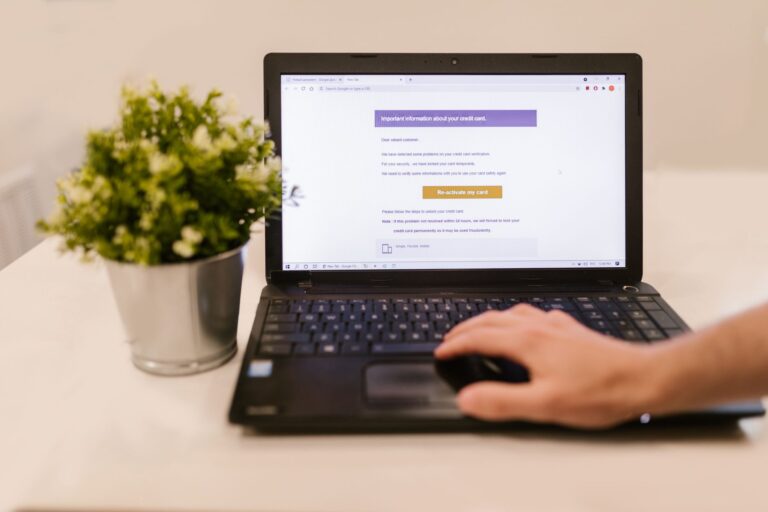
Phishing is when a fake message tries to trick you into handing over your password or clicking a bad link. The classic version warns that your account will be closed unless you “verify” it right now. The urgency is the trick. It rushes you past the part of your brain that would notice something is off.
Slow down and check a few things. Look at the sender’s full email address, not just the display name, since scammers fake the name easily. Hover over any link before clicking to see where it really goes. Watch for odd spelling and greetings like “Dear Customer” instead of your name.
When in doubt, do not click anything in the message. Open a new tab, type the provider’s web address yourself, and log in there. If there is a real problem, you will see it once you sign in normally. Reporting the message as phishing also helps your provider block similar attempts.
Keep spam and junk under control with filters and aliases
A fresh inbox stays clean for a while, then the junk creeps in. Most of it is harmless clutter, but some carries phishing links, so a tidy inbox is a safer one. Your provider already filters a lot automatically, and you can teach it to do better.
When junk slips through, mark it as spam instead of just deleting it. That trains the filter to catch the next one. You can also set up rules, sometimes called filters, that send newsletters or receipts straight into a labeled folder so your main view stays calm.
Some providers let you create aliases, which are alternate addresses that all deliver to the same inbox. Handing a store an alias instead of your real address means you can shut that alias off later if it starts attracting spam. It is a simple way to keep your main address private.
Recommended next steps
If you have not picked a provider yet, start there, since each one handles security settings and storage a little differently. Once your account is open, walk through the five habits above in your settings before you start handing the address out. If you want extra protection like a password manager or device security, the security tools guide breaks down what is worth your time.
You’ll stay on this site
Frequently asked questions
Is it safe to give my real name when I sign up?
Yes, the major providers ask for a name and that is normal. Just avoid putting personal details like your full birthday or address inside the email handle itself, since that part shows publicly.
What if I forget my password later?
That is exactly why recovery email, phone, and backup codes matter. Set them up now and you can reset your password yourself. A password manager also keeps you from forgetting in the first place.
Do I really need two-factor authentication for a personal email?
Yes. Your personal email controls password resets for your bank, shopping, and social accounts, so it is one of the highest-value targets. The few seconds 2FA adds at login are worth it.
How can I tell if an email is really from my provider?
Check the full sender address, not just the name. Real providers do not ask for your password or 2FA code by email. When unsure, log in by typing the website yourself instead of clicking a link.
Is a free email account secure enough for everyday use?
For most people, yes. The free accounts from major providers include strong security tools at no cost. The protection comes from turning those settings on and using good habits, not from paying.
Setting up a safe inbox is mostly about a few small decisions made carefully the first time. Choose a password no one else knows, switch on two-factor authentication, keep your recovery details current, and stay calm when a message tries to rush you. Do that, and your new account will serve you well for a long time.
Sources consulted: the Federal Trade Commission consumer advice on identity theft and online scams (consumer.ftc.gov) and the Cybersecurity and Infrastructure Security Agency guidance on strong passwords and multi-factor authentication (cisa.gov).