How to Recover Deleted Photos on iPhone Without a Backup
No backup, photos gone, and that sinking feeling. There is still a path.
You'll stay on this site
What "no backup" really means, and why there is still hope
When people say they have no backup, they usually mean one specific thing: they never set up iCloud Backup, and they have not plugged the iPhone into a computer in years. That is a fair worry, but it does not mean every copy of your photos has vanished. iOS keeps a safety net that runs even when you have never touched a backup setting in your life.
The first net is the Recently Deleted album. When you delete a photo, iOS does not wipe it instantly. It moves the file to a holding area for about 30 days. During that window the photo is fully intact and one tap away from coming back. Most people who think the picture is lost forever simply have not looked in the right album yet.
The second reason for hope is that photos travel. A picture you took here in the UAE may already sit in a WhatsApp chat, a Google Photos library, an email you sent yourself, or a shared album with a family member. You did not plan a backup, but the photo got copied anyway. Before you spend money on recovery tools, it pays to check every place a copy might be hiding.
Check Recently Deleted properly (and unlock it)
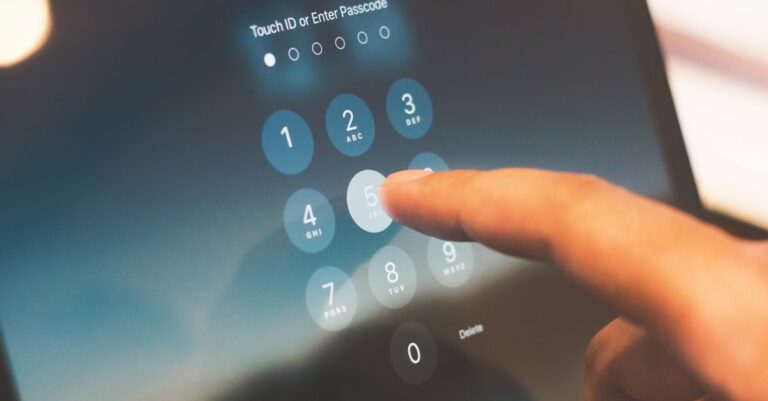
Open the Photos app, tap Albums at the bottom, then scroll all the way down to Utilities. You will see Recently Deleted there. On iOS 16 and later this album is locked, so it asks for Face ID or Touch ID before it opens. Plenty of people glance at the album list, miss this step, and assume the photo is gone when it is sitting right behind that lock.
Once you are in, you can tap Select, choose the photos you want, then tap Recover. They go straight back to your main library. If you want everything back at once, use Recover All. The photos return to the date they were originally taken, so do not panic if they are not at the top of your camera roll afterward.
The clock matters here. Apple Support states that items in Recently Deleted are kept for around 30 days before they are permanently removed. If the photo was deleted three weeks ago, act today rather than next month. Do not bother manually clearing the album to "free up space" while you are searching, because emptying it removes your easiest recovery route.
One more place to look is iCloud.com. Sign in with your Apple ID on a browser, open Photos, and check the Recently Deleted album there too. If iCloud Photos was ever switched on, even briefly, a deleted item can still be sitting in that web version of the album for the same 30-day period.
Look for copies you forgot about
This is the step that saves the most photos and costs nothing. Think about where that picture has been since you took it. Did you send it to anyone? Did you upload it somewhere? Each share you made is a potential second copy that is still alive even though the original is gone from your phone.
Start with messaging apps. WhatsApp keeps photos inside the chat thread, and if you saved them to your camera roll or your WhatsApp Media folder, the file is recoverable from there. Check the chats where you shared the picture, then look for any WhatsApp chat backup in your settings, since that can hold media too. Telegram, iMessage threads, and email attachments work the same way.
If you ever installed Google Photos and let it sync, that is one of the strongest leads. A photo can be deleted from the iPhone but still sit safely in your Google account, ready to download again. The same is true for any cloud storage you use, such as Dropbox or OneDrive. Open the app, search by date, and you may find the image waiting.
Do not forget the low-tech routes. Search your own email inbox and Sent folder for photos you emailed to yourself. If you ever plugged this iPhone into a Mac or a Windows PC and imported pictures, a copy could still live in a folder on that computer. Shared albums in Photos, where you invited family or friends, are another quiet archive that often still holds the picture.
When the free routes fail: how recovery software actually works
If Recently Deleted is empty and no copy turns up anywhere, the next option is third-party iPhone data recovery software. These tools connect the phone to a computer and scan for traces of files that the system has not yet fully overwritten. They can also read inside iTunes or Finder backups and iCloud backups, pulling out individual photos without restoring the whole device.
Here is the honest part. Once a photo is gone from Recently Deleted and there is no backup anywhere, the chance of recovery is limited. iOS encryption and the way the system reuses storage make deep scans far less reliable than they were on older phones. The tools that succeed most often are the ones that find a copy still living inside a backup or a synced service, rather than carving a deleted file out of raw storage. Be skeptical of any product that promises guaranteed recovery, because that promise is not realistic.
Still, your odds drop the more you keep using the phone. Every new photo, app download, or update can write over the very space your deleted picture used to occupy. So stop taking pictures, hold off on installing apps, and ideally connect the iPhone to a computer to run the scan as soon as you can. Acting quickly is the single biggest thing in your control.
If you decide to try a recovery tool, look for one that offers a free scan or preview so you can see whether your photos appear before you pay anything. Our comparison page walks through the legitimate options and what to expect from each, so you spend money only when there is something real to recover.
How to make sure this never happens again
The truly reliable fix is not a recovery tool you buy after a disaster. It is an automatic backup that runs quietly in the background so a deleted photo is never your only copy. Once this is set up, an accidental delete becomes a two-minute fix instead of a panic.
The simplest option for most iPhone owners is iCloud Photos. Go to Settings, tap your name, then iCloud, then Photos, and turn it on. Your library syncs to iCloud and stays available even if the phone is lost or wiped. The free tier is small, so many people in the UAE add an iCloud+ plan, which is inexpensive and starts at a modest monthly fee for extra storage.
If you would rather not rely on Apple alone, turn on a second service such as Google Photos and let it back up automatically over Wi-Fi. Having two independent copies means one service can fail and your memories are still safe. You can also do an occasional manual import to a computer for a full local copy that does not depend on any subscription.
Recommended next steps
Work through it in order. Open Recently Deleted and unlock it with Face ID first, then check iCloud.com, then hunt through WhatsApp, Google Photos, email, and any computer you have used. Only if all of that comes up empty should you look at recovery software, and the moment your photos are safe, switch on automatic backup so you never face this again.
You'll stay on this site
Frequently asked questions
Can I really recover photos with no backup at all?
Sometimes yes. If the photo is still in Recently Deleted or a copy survives in WhatsApp, Google Photos, email, or on a computer, you can get it back for free. Without any of those, recovery software has only a limited chance.
How long do deleted photos stay on my iPhone?
Apple Support says items in Recently Deleted are kept for around 30 days, then removed permanently. The sooner you check, the better your chances.
Why can't I see the Recently Deleted album?
On iOS 16 and later it sits under Albums in the Utilities section and is locked behind Face ID or Touch ID. Tap it and authenticate, and the photos appear.
Is iPhone recovery software safe to use?
Reputable tools that connect through a computer can be safe, but avoid any that promise guaranteed recovery or claim your device is infected. Look for a free scan so you can preview results before paying.
What should I do the moment I notice photos are missing?
Stop taking new photos and stop installing apps so you do not overwrite the deleted files. Then check Recently Deleted, then your synced services, before considering recovery software.
Losing a photo with no backup feels final, but in most cases it is not. Walk through the free checks first, give the synced apps a proper search, and only reach for paid software when nothing else turns it up. Whatever happens with this photo, switch on automatic backup today so the next accidental delete is nothing more than a minor annoyance.
Sources: Apple Support (Recently Deleted album, iCloud Photos and backup guidance).