How to Link Your Bank Account or Card to PayPal Safely
Your PayPal account cannot move a dollar until you connect a bank or card to it.
Linking a funding source is the step that turns a brand-new account into a working wallet. It sounds technical, but PayPal designed it to be quick, and the safety checks along the way are there to protect you. This page covers how to add a card, how to verify a bank, and the precautions that keep the whole thing secure.
You’ll stay on this site
Card or bank: which to link first
A debit or credit card is the fastest thing to add, and it makes checkouts instant. A linked bank account is slower to set up but cheaper to use, and it is the only way to withdraw your PayPal balance into real cash. Most people end up adding both, with the card for spending and the bank for cashing out.
If you only do one today, add the bank, because it unlocks the most important functions. You can attach a card any time after.
Adding a debit or credit card
Open your PayPal wallet, choose to link a card, and type the card number, expiration date, and security code. PayPal may run a tiny temporary authorization to confirm the card is real, and that small hold disappears on its own. Once it accepts the card, you can use it at checkout immediately.
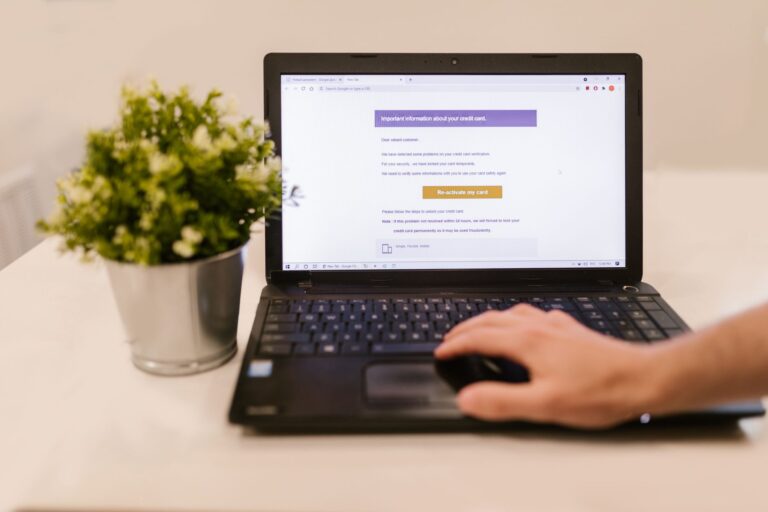
Enter the card details only on the official PayPal site or app. No legitimate email will ask you to type your full card number into a form linked from a message.
Linking and verifying a bank account
To add a bank, you can either log in through PayPal’s instant verification partner or enter your routing and account numbers by hand. If you type them manually, PayPal usually sends two small deposits to your bank, often a few cents each. You then come back, enter those two amounts, and the account is verified.
That deposit check can take one to three business days, so plan around it if you are waiting to withdraw. Once verified, transfers between PayPal and your bank become routine.
Staying safe while you link
This is the moment your most sensitive numbers are in play, so the basics matter most here. Do the linking on a private network, not a coffee-shop hotspot, and make sure the address bar really reads the official PayPal domain before you type anything. A password manager helps because it will refuse to autofill your login on a fake look-alike site, which is a quiet early warning that something is wrong.
After everything is connected, review which sites you have given automatic billing permission to, and remove any you do not recognize. A tidy list of linked services is easier to protect.
If a link fails or gets rejected
Most failures come from a mismatch. The name on the bank or card must match the name on your PayPal account, and a typo in the routing number will quietly block the deposit check. Double-check those before assuming the bank is the problem.
If a card keeps getting declined during linking, call your bank, since some issuers flag the first PayPal authorization as unusual and simply need you to approve it.
Recommended next steps
With a funding source connected, your account is fully operational and also fully worth protecting. The next pages compare the tools that keep your logins, your connection, and your devices safe while money moves through them.
You’ll stay on this site
Frequently asked questions
Is it safe to give PayPal my bank details?
PayPal encrypts your bank information and does not share your full numbers with the stores you buy from. The main risk is fake sites, so only enter details on the official PayPal app or website.
How long does bank verification take?
If PayPal uses the small-deposit method, it usually takes one to three business days for the deposits to arrive so you can confirm them.
Can I link more than one bank or card?
Yes. You can add several cards and bank accounts and pick a preferred one for payments and withdrawals.
Why were two tiny deposits sent to my bank?
Those micro-deposits confirm you own the account. You enter the two amounts back into PayPal to finish verification, and the small sums stay in your account.
Does linking a card cost anything?
Linking is free. Fees only apply to certain transactions, such as some credit-card-funded payments, which PayPal lists on its site.
Connect your funding source carefully, verify it, and your PayPal account is ready for everyday use. From here, the smart move is protecting the account you just finished building.
Sources consulted: the official PayPal Help Center and the US Federal Trade Commission guidance on online payment safety.